From Thrift Bin to Treasure Chest: How Collectors Are Striking Gold on Rare CD Pressings
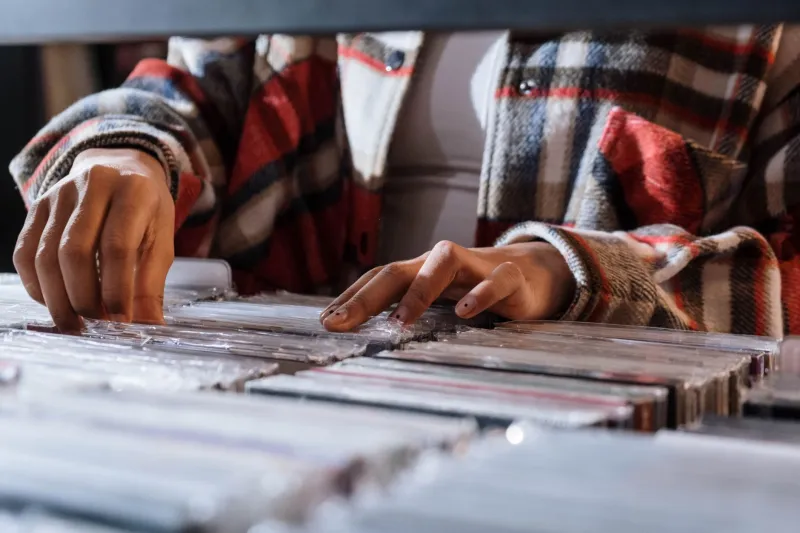
The Five-Dollar Flip Nobody Saw Coming
It started as a Saturday afternoon killing time. A collector named Marcus — a 34-year-old IT technician from Columbus, Ohio — was flipping through a Goodwill bin when he pulled out what looked like a totally ordinary copy of a mid-90s alternative rock album. Standard jewel case, slight shelf wear, nothing special on the surface. He almost put it back.
He didn't.
That disc turned out to be a first-press Japanese import with an obi strip still intact — a narrow paper band that wraps around the spine and spine edge of the case, printed with Japanese text and catalog information. It sold on Discogs three weeks later for $340.
Stories like Marcus's aren't flukes. They happen every week across the country, in thrift stores, estate sales, and flea markets from Portland to Pittsburgh. The gap between what a rare CD variant looks like to the untrained eye and what it's actually worth can be staggering — sometimes thousands of dollars. But finding those treasures requires knowing exactly what you're looking for.
Why Some Pressings Are Worth Way More Than Others
Not all CDs are created equal, and that's the entire foundation of rare variant collecting. A standard domestic pressing of a popular album might retail for a few bucks used. But change the country of origin, the pressing plant, the catalog number, or the bonus content, and you can be holding something that serious collectors will pay serious money to own.
A few key factors drive value:
Country of origin. Japanese pressings are consistently among the most coveted in the collector world. Japanese labels historically pressed CDs to tighter quality standards, often included bonus tracks not available in Western releases, and packaged them with those iconic obi strips. A Japanese pressing with an obi strip intact can command two to ten times the value of the same album pressed domestically.
First pressings. The earliest manufacturing run of an album — especially for landmark records — carries a premium. These discs often have different mastering than later pressings, and audiophiles argue they sound better. Collectors argue they're simply more historically significant. Both groups are willing to pay for that distinction.
Limited or promo editions. Promotional copies sent to radio stations and press often have unique markings, different catalog numbers, or alternate artwork. Some promos were pressed in tiny quantities and never sold commercially, making them genuinely scarce.
Alternate artwork or packaging. Certain regional releases featured cover art that was changed before the album hit other markets — sometimes due to censorship, sometimes due to label decisions. Those original versions with the "banned" or alternate artwork become collector items almost by default.
Reading the Disc Like a Detective
The real skill in variant hunting isn't luck — it's literacy. Experienced collectors have trained themselves to read a CD the way an appraiser reads a painting.
The catalog number is usually your first clue. Printed on the spine and often on the disc itself, catalog numbers follow regional conventions. Japanese releases typically start with specific prefixes. European pressings have their own patterns. Learning those conventions is step one.
The matrix code — that string of characters etched into the inner ring of the disc near the hub — tells you where and when the disc was pressed. Collectors have compiled databases mapping matrix codes to specific pressing plants and manufacturing dates. A disc that looks generic on the outside might reveal its true origin the moment you tilt it toward the light and read that ring.
Packaging details matter too. The paper stock, the font choices, the country-of-manufacture text printed on the back tray — all of it tells a story. First pressings of certain albums used specific print runs with minor variations that were corrected in subsequent runs. Those uncorrected versions are the ones worth hunting.
Real Finds, Real Money
The Columbus Goodwill story is good, but it's not even the most dramatic example collectors will tell you about.
A woman in Nashville found a sealed copy of a cult 80s post-punk album at an estate sale for two dollars. Sealed. Original pressing. It sold for over $900. A retired teacher in Arizona picked up what he thought was a random classical music disc at a church rummage sale — it turned out to be an early digital pressing from 1983, one of the first commercial CDs ever manufactured, from a pressing plant that closed shortly after. That one went for nearly $1,200.
These aren't myths. Discogs and eBay completed-listing data confirms that rare variants regularly sell in the hundreds and occasionally in the thousands. The market is real, the demand is active, and the supply is scattered across every thrift store in America.
Building Your Eye (and Your Database)
So how do you actually get good at this? Collectors who've been doing it for years will tell you the same thing: you have to do your homework before you hit the bins.
Discogs is the essential tool. Before heading out on a hunt, spend time browsing the marketplace listings for artists you're interested in. Look at the variants that exist, what they sell for, and — critically — what makes each one identifiable. Take screenshots. Build a mental library of catalog number prefixes, obi strip styles, and matrix code patterns for your target genres and eras.
Reddit communities like r/vinyl and r/CDs are full of collectors sharing finds and helping each other identify pressings. The knowledge base that's been crowd-sourced in those communities over the years is genuinely remarkable.
And don't sleep on the physical reference guides. Some dedicated collectors have published pressing guides for specific artists — deep-dive documents cataloging every known variant of every release. For obsessive hunters focused on a particular band or label, these guides are invaluable.
The Ethics of the Find
There's a conversation worth having here, too. When a thrift store prices a CD at $3 because nobody on staff recognized what it was, and a collector flips it for $400 — is that fair?
Most collectors land somewhere in the middle on this. Thrift stores benefit from donations and sell at prices the market supports at that moment. The expertise a collector brings to identifying value is itself worth something. That said, some hunters make a point of occasionally tipping off the stores when they find something significant, or donating back to organizations they care about after a big flip.
It's a personal call. But it's worth thinking about as the hobby grows.
The Bin Is Still Full
Here's the thing that keeps experienced hunters coming back: the supply hasn't dried up. Millions of CDs were sold in the 80s, 90s, and early 2000s, and a significant percentage of them are still circulating through the secondhand economy. Every week, estate sales clear out collections. Every month, new donations hit thrift store shelves.
Somewhere out there right now, a Japanese pressing with an intact obi strip is sitting in a $3 bin, waiting for someone who knows what it is. Maybe that someone is you.