Just a Piece of Paper? Why CD Lyric Booklets Are Now the Most Coveted Thing in a Collector's Hands
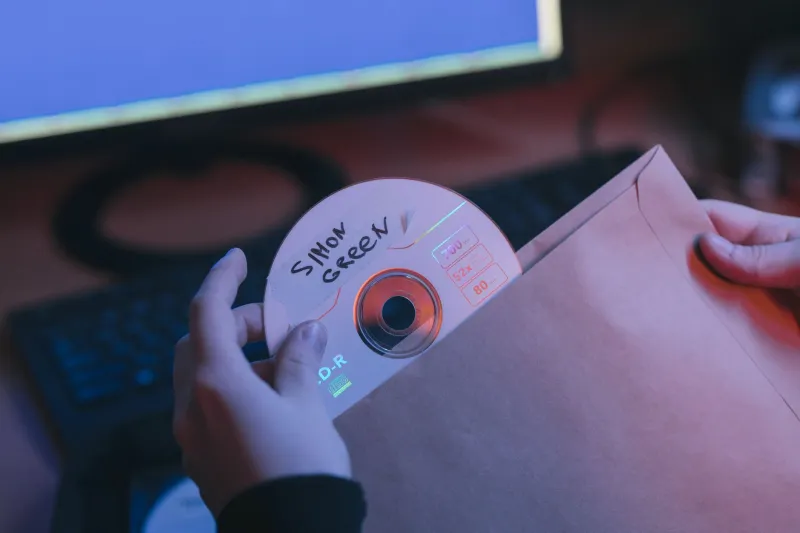
Not long ago, the lyric booklet was the forgotten middle child of CD packaging. The disc got the attention. The jewel case got the credit. The booklet? It got stuffed back in, dog-eared, or left on a bedroom floor until someone's mom vacuumed it up. Fast forward to today, and that same little folded insert has quietly become the holy grail of CD collecting—a paper artifact that serious collectors are hunting with the same intensity once reserved for first pressings and promo copies.
So what changed?
From Throwaway to Trophy
The shift didn't happen overnight, but it accelerated hard once streaming made lyrics instantly searchable. The moment Genius.com and Spotify's built-in lyrics feature made the functional purpose of a booklet obsolete, something weird happened: people started caring about the physical object a whole lot more.
That's not as contradictory as it sounds. When something loses its utility, it often gains cultural weight. Rotary phones are decorative now. Polaroid cameras are art tools. And CD lyric booklets—especially the unusual ones—have graduated from informational handouts to genuine collectibles.
Dealers who've worked the secondary market for years say the shift became noticeable around 2019 and accelerated sharply post-pandemic. "I used to sell complete sets and people would ask if I could just pull the disc," says one Ohio-based reseller who specializes in '90s alternative and hip-hop CDs. "Now I get emails specifically asking about the booklet condition before anything else. That's a total flip."
What Makes a Booklet Worth Real Money
Not every lyric sheet is going to fund your retirement. The value ladder here is pretty specific, and collectors have developed a surprisingly detailed taxonomy of what makes one booklet worth $12 and another worth $1,200.
Signed copies sit at the top of the food chain. A booklet hand-signed by the artist—especially if it was part of a limited retail run rather than a post-show scrawl—can command prices that dwarf the disc itself. A signed lyric booklet from a limited-run box set by a major artist can fetch anywhere from $300 to well over $1,000 on platforms like eBay and Discogs, depending on provenance and condition.
Alternate artwork variants are the next tier. Certain pressings—regional exclusives, promotional copies, or early manufacturing runs before an artwork revision—contain booklets with images, layouts, or even lyric text that differs from the standard version. These are catnip for completionists. One collector in Nashville described spending three years tracking down a Japanese pressing of a mid-'90s country album specifically because its booklet contained an alternate photo session that never appeared in the US release.
Handwritten lyric inserts, while rare, represent perhaps the most emotionally charged category. A handful of indie and underground releases over the years included booklets where lyrics were reproduced from the artist's own handwriting rather than typeset. When those show up in pristine condition, bidding wars follow.
Deleted content adds another layer. Some booklets went to print with liner notes, thank-you lists, or even full poems that were pulled from later pressings after label disputes, clearance issues, or artist requests. Owning the original version with the "deleted scene" intact is the CD equivalent of finding the director's cut.
Gen Z Is Here for All of It
Here's the part that might surprise older collectors: the people driving a lot of this enthusiasm aren't baby boomers chasing nostalgia. A significant chunk of the energy—and spending—is coming from buyers in their early twenties who never owned a CD player as kids.
For this demographic, the lyric booklet isn't a memory. It's a discovery. TikTok and Instagram have played a massive role in surfacing these objects to people who encounter them as pure visual and tactile artifacts, stripped of the original context. A Gen Z collector isn't thinking "I remember reading these lyrics on the bus." They're thinking: this is a designed object, it's rare, and it tells a story.
That framing—booklet as designed artifact rather than functional insert—is reshaping how the whole category gets discussed. Collectors are increasingly applying the same language used around zines, artist books, and limited-edition prints. Condition grading has gotten more rigorous. Protective sleeves designed specifically for CD booklets are now a real product category. Some collectors are even getting booklets professionally framed.
"I've got a framed lyric booklet from a Fugees pressing hanging in my apartment," one New York-based collector in her mid-twenties told us. "People ask if it's a zine or a print. When I say it came out of a CD case, they lose their minds."
The Dealers Quietly Cashing In
Where there's collector demand, there's a market, and a small but growing network of specialty dealers has started treating booklets as standalone inventory rather than incidental packaging. Some are even breaking apart complete CD packages to sell the booklet separately—a practice that horrifies purists but reflects genuine economic logic when the booklet is worth more than the rest of the package combined.
Online, the listings have gotten more sophisticated. Sellers now photograph booklets page by page, note spine creasing and corner wear with the precision of rare book dealers, and include measurements and paper weight descriptions in listings for particularly high-value pieces. It's a level of care that would have seemed absurd ten years ago.
Discogs, long the go-to platform for physical music sales, has seen increased use of its notes fields to specify booklet condition as a distinct variable. Some sellers have started listing booklets independently under the "accessories" category, which technically wasn't what that field was designed for—but the platform hasn't stopped them.
What Collectors Are Actually Looking For Right Now
If you're new to this corner of the hobby, a few categories are especially active in the current market. Early-'90s hip-hop booklets with dense, handwritten-style typography and original photography are consistently strong. Grunge and alternative releases from major labels that included extensive essay-style liner notes—particularly anything that touches on the Seattle scene—move fast. And anything from artists who've since passed away, gone silent, or had catalog disputes with their original labels tends to attract immediate attention.
Condition remains king. A booklet with a water stain, heavy creasing, or a price sticker ghost might still be interesting, but it won't command the same numbers as a near-mint copy that looks like it was never touched. The irony is that the booklets most likely to be pristine are the ones that were, in fact, ignored—tossed back in the case and forgotten, which is exactly what used to make them worthless.
The Bigger Picture
There's something genuinely poetic about all of this. The lyric booklet was designed to be read and discarded, a utilitarian bridge between the music and the listener. Now it's the piece of the package that collectors are most likely to handle with cotton gloves.
In a world where every lyric is a search query away, the physical act of unfolding a piece of paper and reading words the way the artist intended them to be presented—in a specific font, at a specific size, next to specific images—has become a kind of ceremony. And ceremonies, it turns out, are worth paying for.
The algorithm gave us instant access to everything. And somehow, that made a little folded piece of paper feel more valuable than ever.