Fakes in the Collection: How Forged CD Packaging Has Been Fooling Fans, Dealers, and Even the Labels Themselves
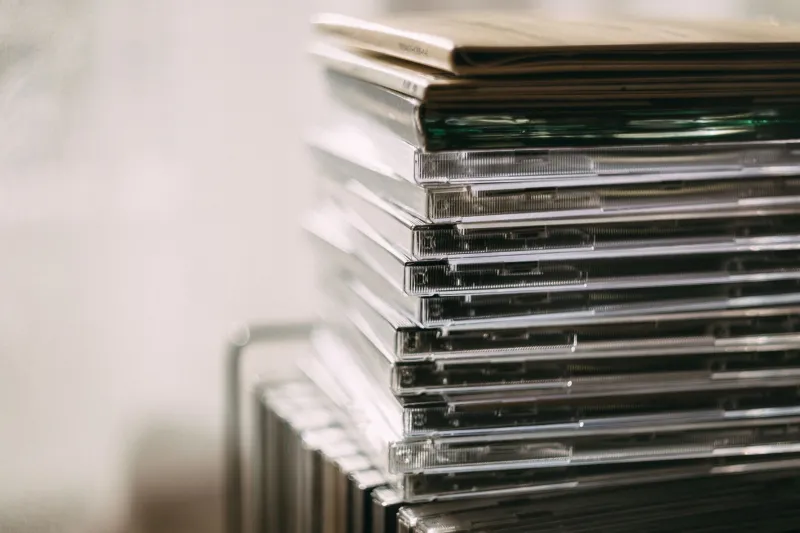
Somewhere in a storage unit in suburban New Jersey, there's a sealed copy of what one collector paid $340 for — a supposed limited-edition alternate-cover pressing of a mid-'90s alternative rock record, complete with a hand-numbered sticker on the shrink wrap and an inner booklet printed on noticeably heavier stock than the standard release. It looked right. It felt right. It even smelled like the real thing.
It wasn't.
The collector, who asked us not to use his name, found out the hard way when he tried to resell the disc through a reputable auction house. Their authentication team flagged it within minutes. The barcode didn't match any known variant in their database. The catalog number on the spine had a digit transposed. And that heavier booklet paper? A tell, apparently — the kind of upgrade a forger might make thinking it adds perceived value, not realizing it actually signals something's off.
"I felt stupid," he told us over the phone. "But I also felt weirdly impressed. Whoever made this thing put real effort in."
That effort is exactly what makes CD cover forgery such a strange and underreported corner of music collecting culture.
The Economics of Scarcity
To understand why fake CD packaging exists at all, you have to understand how the rare physical media market actually works. When a label releases a limited regional pressing — say, a Japanese market version with an alternate lyric booklet, or a promotional copy with a unique sleeve sent only to radio stations — the supply is fixed forever. There are only so many of those items in the world, and once collectors know about them, the price climbs.
For certain sought-after releases, that means a piece of cardboard and plastic can fetch hundreds, sometimes thousands of dollars. A sealed first pressing of a well-known '80s or '90s album with original artwork intact can command serious money on platforms like Discogs or through specialty auction houses. When the gap between a common pressing and a rare variant is that wide, someone with a decent printer and some patience will eventually try to close it fraudulently.
"The CD market kind of flew under the radar for a long time," says Marcus Tilley, a fraud consultant who has worked with several major auction houses on authentication for physical media. "Vinyl got all the attention when it came to fakes, partly because it's been valuable longer. But as CD collecting has exploded, the forgers followed the money."
Tilley estimates that in the past five years, reports of suspected counterfeit CD packaging have roughly tripled among the dealers and auction specialists he works with. Most cases involve high-value limited editions, promotional items, or alternate-cover variants — the exact categories where documentation is sparse and buyers often rely on visual inspection alone.
What the Fakes Actually Look Like
Not all counterfeit CD packaging is created equal. At the low end, you've got lazy reproductions — slightly off-color printing, misaligned text, jewel cases with the wrong tray clip configuration for the era. Experienced collectors spot these quickly. The dangerous fakes are something else entirely.
High-quality forgeries often start with original artwork sourced from high-resolution scans, sometimes pulled from archived promotional materials or photographed directly from authentic copies. The forger then recreates the packaging with professional-grade printing equipment, occasionally sourcing period-appropriate jewel cases from bulk lots of old stock. In some documented cases, forgers have gone as far as sourcing original-era optical discs and having them pressed with the correct audio — not because the music matters, but because a disc that plays correctly adds a layer of authenticity that makes buyers less likely to question the packaging.
"The ones that scare me are the people who actually understand the history," Tilley says. "They know what font the label used in 1993. They know which pressing plants used which tray configurations. They're not guessing — they've done the research."
Record labels themselves have occasionally been fooled, or at least embarrassed. There are documented cases where label archivists, reviewing their own back catalogs for reissue projects, have encountered variant covers they couldn't account for in their own records — only to later determine the items were fakes that had circulated long enough to develop a secondary paper trail of their own.
The Community Fights Back
The collector community isn't sitting still. Online forums dedicated to specific artists or labels have developed increasingly rigorous documentation practices, essentially crowdsourcing authentication. Users compile high-resolution scans of confirmed authentic pressings, noting microscopic details — the exact shade of a Pantone color, the precise dimensions of a barcode, the texture of a specific laminate finish.
Sites like Discogs have also tightened their policies around seller verification for high-value items, though enforcement remains inconsistent and the platform's massive scale makes policing every listing nearly impossible.
Some collectors have turned to professional grading services, similar to those used for sports cards and comic books, that encapsulate and authenticate items for a fee. The practice is still relatively new for CDs, but growing — particularly for sealed items where the combination of original shrink wrap and authenticated packaging can significantly affect resale value.
"The grading services are catching on," says one dealer who runs a specialty shop in Chicago and asked to remain anonymous due to ongoing business relationships with auction houses. "But they're still learning the CD market. Vinyl they know cold. CDs, they're building the knowledge base in real time."
How to Protect Yourself
If you're buying rare CD packaging — especially limited editions, promos, or regional variants — there are practical steps that can keep you from getting burned.
Cross-reference everything. Before purchasing any high-value variant, check the catalog number, barcode, and matrix code (the text etched into the inner ring of the disc) against multiple confirmed authentic sources. Discogs user submissions, collector forums, and label discography databases are your friends here.
Ask for the disc. Fakers often focus their energy on the packaging and pay less attention to the disc itself. Request clear photos of both sides of the CD, including the hub area and any printed text on the disc face.
Study the jewel case. Jewel case designs changed over the decades, and the wrong case for the era is a common tell. Tray clip configurations, hinge thickness, and even the clarity of the plastic varied by manufacturer and period.
Be skeptical of provenance stories. "I got this from a former label employee" is a common cover story for suspicious items. Legitimate provenance is verifiable. If a seller can't provide documentation, that's worth noting.
Trust your gut on price. If a variant is listed significantly below what comparable authenticated copies have sold for, ask why. Underpriced rare items are either stolen, damaged, or fake. None of those are great outcomes.
The Weird Respect
Here's the uncomfortable truth that comes up whenever longtime collectors talk about high-quality CD cover forgeries: there's a grudging admiration mixed in with the outrage. Someone who can recreate a 1994 limited-edition sleeve with enough precision to fool a dealer who has handled thousands of copies clearly has real skill — even if that skill is being applied to fraud.
"I hate that I think this," the New Jersey collector admitted, "but whoever made my fake put more care into that packaging than a lot of legitimate reissues I've bought. The irony isn't lost on me."
For a hobby built on appreciating the craft of physical presentation, there's something almost poetic about that — even as it complicates the market, erodes trust, and leaves real collectors holding expensive cardboard that isn't what they paid for.
The best defense, as always, is knowledge. The more you know about what authentic packaging actually looks like, the harder it is for anyone to sell you a convincing lie.