Digging Through the Discount Bin: How TikTok Turned CD Covers Into the Hottest Thing on the Internet
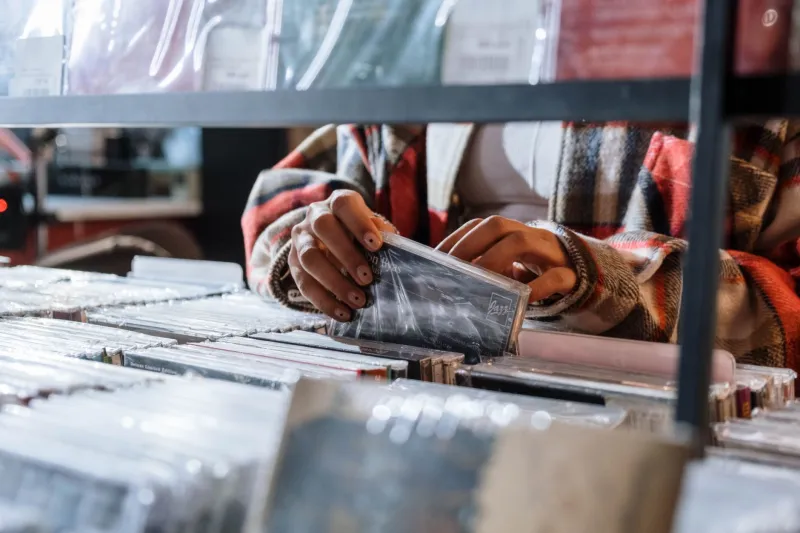
Walk into a Goodwill in almost any mid-sized American city right now and you might notice something a little surprising near the media section: kids. Not just casually browsing, either — actually digging. Flipping through the beat-up plastic cases with the same focused energy that record store regulars brought to vinyl bins twenty years ago. Some of them are filming themselves doing it.
This is the TikTok CD moment, and if you haven't been paying attention, it has moved faster than anyone expected.
The Algorithm Discovers the Jewel Case
It started, like most things in youth culture, without any particular plan. A few creators posted thrift haul videos that happened to include CDs. The combination of cheap prices, visually interesting packaging, and the slight absurdity of Gen Z engaging with a format their parents considered obsolete turned out to be extremely watchable. The algorithm did the rest.
Now there are accounts dedicated entirely to CD hunting — unboxing finds from Goodwill, Savers, and local thrift chains, rating cover art, and occasionally playing back tracks on equipment that looks like it came from the same thrift store as the discs. The comment sections are a mix of genuine enthusiasm, ironic appreciation, and older users absolutely losing their minds over seeing their teenage bedroom soundtrack treated as vintage treasure.
Creators like @discbindiaries and a loose network of similar accounts have built real followings around this content. What they've discovered — and what the broader internet is starting to catch up to — is that CD cover art is genuinely compelling visual content. It photographs well, it carries cultural history, and it rewards the kind of close reading that short-form video is surprisingly good at facilitating.
Irony vs. Sincerity: The Question Everyone's Asking
The obvious question, especially for longtime collectors, is whether any of this is real. Are these kids actually into the music, or is this just aesthetic performance — thrifted CDs as props in a carefully curated vintage lifestyle?
Honest answer: it's both, and the line between them is blurrier than it might seem.
Some of the young collectors showing up in these communities are genuinely discovering artists they'd never encountered through streaming. A 19-year-old in Ohio who picks up a Björk album because the cover art looks wild might actually sit down and listen to it — and that's a legitimate music discovery moment, regardless of how it started. Others are drawn primarily to the visual and tactile experience of physical media, and the music is secondary to the object.
But here's the thing: that's not entirely different from how plenty of adult collectors engage with music either. The cover that catches your eye in a record store, the sleeve that makes you take a chance on something unfamiliar — physical media has always worked this way. The TikTok version just happens at scale and with a camera running.
What's Getting Collected (And Why It Matters)
The TikTok collector wave is having a real, observable effect on what moves through thrift stores and what commands prices on eBay and Discogs. And the selection criteria are genuinely interesting.
Cover art is king. This generation is not primarily organized around musical genre or critical reputation — they're organized around visual impact. A CD with a striking, weird, or aesthetically distinctive cover gets picked up regardless of whether the artist is famous. This has created a kind of second-wave canonization, where albums that were middling commercial performers but had genuinely interesting packaging are suddenly getting attention they never received on release.
Late '90s and early 2000s aesthetics are particularly hot right now — that specific visual language of Y2K graphic design, the chunky fonts, the particular shade of digital photography from that era. Albums that looked dated five years ago now look exactly right to an audience that's grown up treating that period as historical.
Some niche categories that have exploded in these communities: regional Christian contemporary albums with maximalist cover design, budget compilation discs with chaotic collage artwork, and mid-tier nu-metal records with elaborate foil-stamped packaging. None of these were on any serious collector's radar a decade ago.
The Instagram Side of the Story
While TikTok drives discovery and haul content, Instagram has become the gallery space where the most serious of these new collectors display what they've found. Flat-lay photography of CD collections, close-up shots of booklet art, carefully arranged stacks by color or era — it's album cover appreciation as visual art practice.
Some of these accounts have attracted followings that rival or exceed established music journalism outlets, which says something about the appetite for this kind of content. The aesthetic is immediately recognizable: clean backgrounds, good lighting, a mix of well-known titles and obscure finds that signals the account owner knows their way around a thrift store.
For designers and artists whose work appears on these covers, it's a strange kind of posthumous recognition. Artwork that was produced quickly, on a tight budget, for a release that came and went without much notice, is suddenly being photographed with care and shared with hundreds of thousands of people.
Old Collectors, New Collectors, and the Tension Between Them
Not everyone in the established collector community has welcomed this development warmly. There's real friction around prices — when a TikTok video causes a surge of interest in a specific album, thrift store prices tend to follow, and longtime diggers feel the squeeze. The sense that outsiders are flooding a space that required patience and expertise to navigate is a familiar grievance in collector culture, but it's hitting CD communities in real time.
There's also a gatekeeping impulse that's hard to miss in some corners of these conversations — the sense that if you're in it for the aesthetic rather than the music, you're not a real collector. That debate will probably never be fully resolved, but it's worth noting that every collector community has always had this tension. The person who buys a record because the cover is beautiful and the person who buys it because they've followed the artist for fifteen years are both holding the same object.
A New Chapter for Physical Media
What's undeniable is that this moment is creating new collectors, and some of them are going to stick around. The kids who start with thrift store hauls for TikTok content sometimes develop genuine, lasting relationships with physical music media. They learn to care about condition, about pressing variants, about the stories behind specific covers. The pipeline from casual algorithm-driven discovery to serious collector engagement is real.
For a format that streaming was supposed to make completely obsolete, the CD is having a remarkably lively cultural moment. And a lot of that energy is coming from people who weren't even born when most of these discs were pressed. At CD Cover Central, that feels like exactly the kind of story worth paying attention to — because where album art lives forever, apparently includes the For You page.